 What is CPTSD? CPTSD stands for complex post-traumatic stress disorder. Internationally, it means the same learned fear response as PTSD, plus damage to how you manage your emotions, how you see yourself, and how you connect with other people. Here in the US, there is...
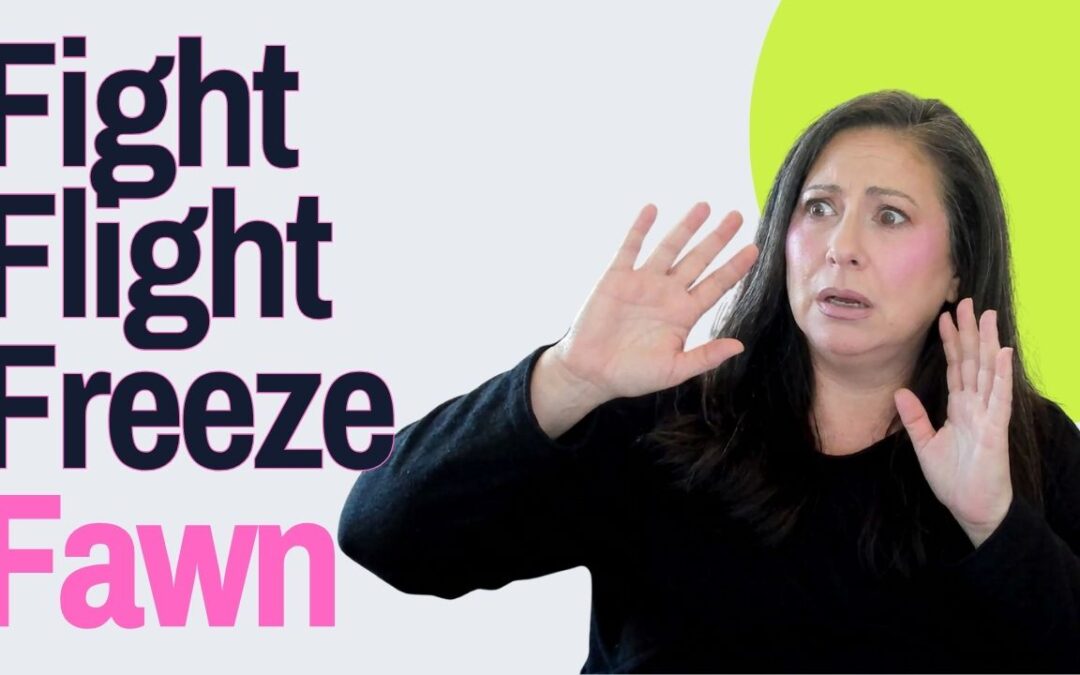 The fawn response isn’t part of fight, flight, or freeze. Fight, flight, and freeze are things your body instinctually does, whereas fawning is a learned behavior: something you learned to do to prevent a possible threat from escalating or happening in the first...
 What counts as trauma, according to the diagnostic manual therapists use in the US, is exposure to actual or threatened death, serious injury, or sexual violence. The examples it gives were never meant to be the full list; the manual says in its own words that its...
 Many people assume trauma symptoms come from memories. And memories are certainly part of the story. But one of the most important things trauma changes is something else: Your beliefs. The beliefs you develop about yourself. The beliefs you develop about other...
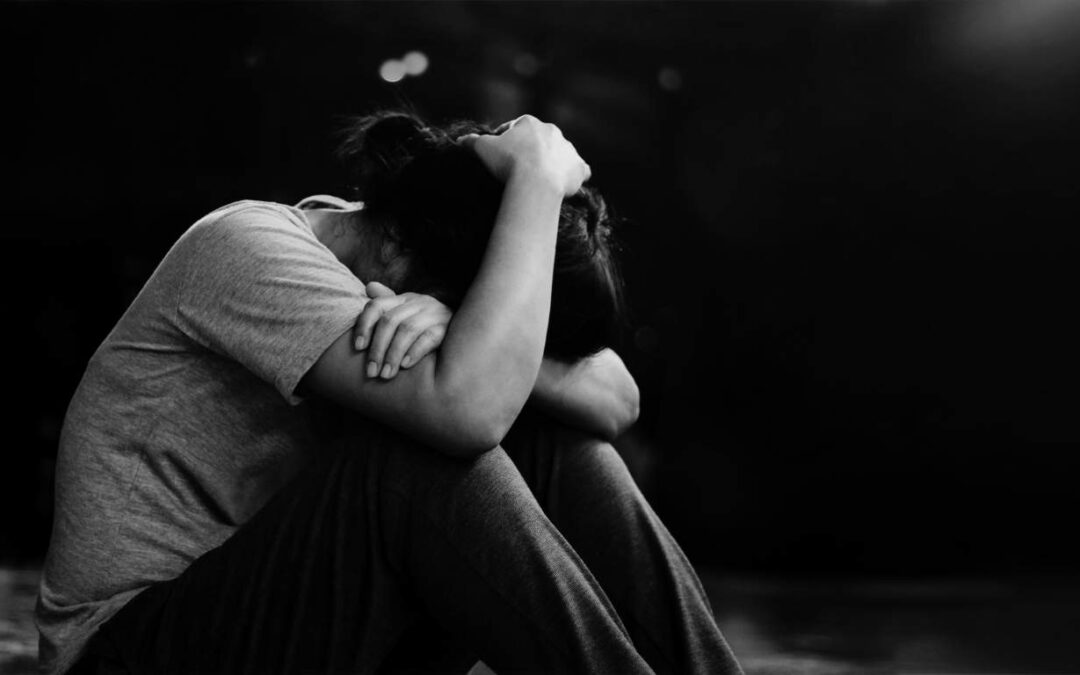 When most people think about PTSD, they picture the symptoms shown in the media. Flashbacks. Nightmares. Panic attacks. Explosive anger. The problem is that many women with PTSD don’t look like that at all. In fact, some of the most common PTSD symptoms I see in...
 “It’s been months.” “I should be over this by now.” “I don’t understand why I’m still thinking about it.” Many women assume that if they are still struggling after a breakup, they must be doing something wrong....