
Many women ask some version of the same question:
“It wasn’t physically abusive, so why am I struggling so much?”
“He never hit me.”
“It wasn’t that bad.”
“Maybe I’m just too sensitive.”
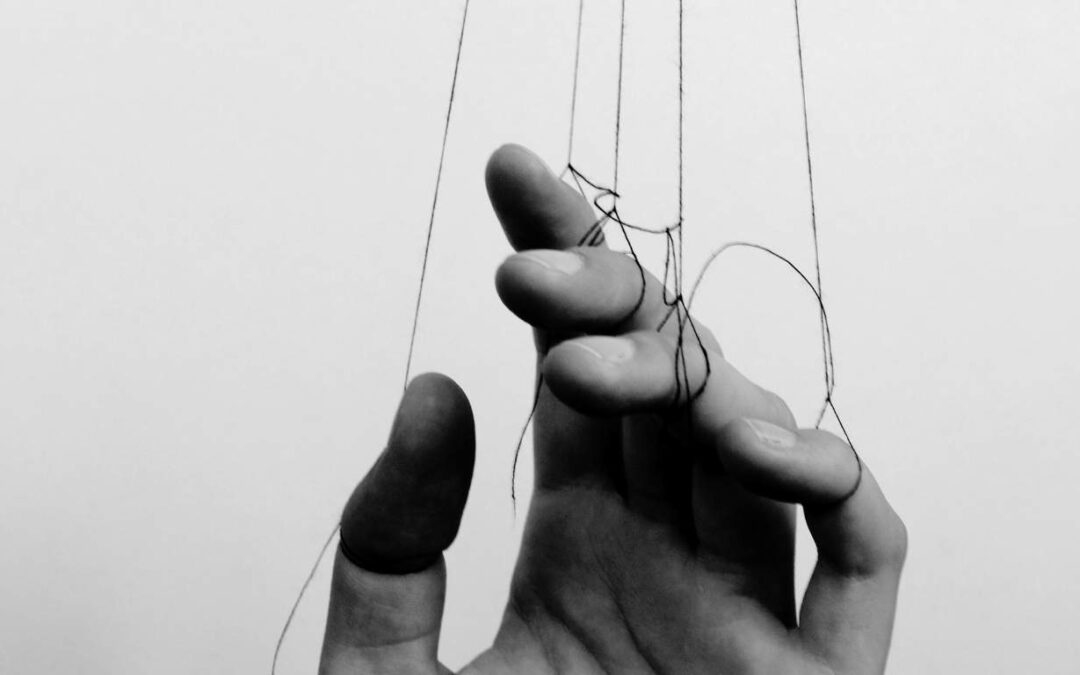
These questions are incredibly common after manipulative, controlling, or coercive relationships. Because many people have been taught that trauma requires visible injury. A bruise. A black eye. A physical assault. Something obvious.
But trauma is not determined by whether somebody left a mark on your body. Trauma is determined by how your brain and nervous system responded to what happened. And many women leave psychologically abusive relationships carrying symptoms that look remarkably similar to those seen after physical violence.
Why Non-Violent Abuse Can Produce PTSD Symptoms
When people think about trauma, they often focus on the specific behavior. What was done. How severe it was. Whether it was physical.
But the nervous system is focused on something else.
Threat.
Was I safe? Could I protect myself? What would happen if I said no? What would happen if I pushed back? What would happen if I left?
Those questions matter because the nervous system responds to danger, not simply physical injury.
Clinical Reality:
A threat does not have to be carried out to affect you.
The anticipation of harm can be enough.
The expectation of punishment can be enough.
The belief that non-compliance will result in painful consequences can be enough.
This is one reason emotionally abusive and coercive relationships can leave lasting psychological effects even when physical violence never occurs.
Violation Is Just As Harmful As Violence covers the threat-without-violence pattern in the sexual context. Same mechanism, different surface.
The Specific Tactics That Create Coercive Control
Coercive control is a pattern of behavior designed to influence, restrict, dominate, or control another person.
It often develops gradually.
Many women do not recognize it while it is happening.
Common tactics include:
Threats Of Harm
These may be direct or indirect.
The message is often:
“Something bad will happen if you don’t comply.”
Threats Of Rejection Or Loss
Humans are social creatures.
Connection is not a luxury.
It is a survival need.
Threatening abandonment, rejection, isolation, or withdrawal can be incredibly powerful forms of control.
Emotional Abuse
Criticism.
Humiliation.
Manipulation.
Gaslighting.
Constantly shifting expectations.
Making someone question their own reality.
Over time, these experiences can fundamentally change how a person sees themselves and the world around them.
See Signs of an Unhealthy Relationship for the behavioral patterns this often runs alongside.
How The Nervous System Reads Pressure As Threat
One of the biggest misconceptions about trauma is that there must be physical danger for the nervous system to react.
But pressure itself can function as a threat.
If saying no results in punishment, the brain learns something important:
Compliance is safer.
The punishment may be emotional.
Financial.
Relational.
Psychological.
Physical.
What matters is that the brain learns there are consequences for resistance.

Over time, the nervous system adapts.
It becomes more vigilant.
More cautious.
More focused on anticipating reactions.
The goal is protection.
But eventually those adaptations can begin affecting life outside the relationship as well.
Why Self-Doubt Is Such A Reliable Symptom
One of the most common things I hear after manipulative relationships is:
“I don’t trust myself anymore.”
That is not an accident.
Trauma often affects beliefs.
Particularly beliefs about ourselves.
Many women leave these relationships questioning:
Was it really that bad?
Am I overreacting?
Did I cause this?
Should I have handled it differently?
See Signs of an Unhealthy Relationship for the behavioral patterns this often runs alongside.
These questions often become fueled by self-blame, guilt, and shame.
And the more self-blame becomes a habit, the more difficult it becomes to accurately understand what happened.
This is one reason trauma recovery often involves rebuilding trust in yourself, not just trust in other people.
The Body Responses You May Have Adapted Into
Psychological abuse affects more than thoughts.
It affects the body.
Many women notice symptoms such as:
Chronic Tension
The body remains prepared for conflict, criticism, or disappointment.
Constant Worry
The mind continually searches for signs of problems before they happen.
Sleep Difficulties
Rest becomes difficult when the brain believes it needs to stay alert.
Difficulty Concentrating
Mental energy gets diverted toward monitoring potential threats.
Hypervigilance
You begin paying close attention to other people’s moods, reactions, and behavior.
Not because you’re broken.
Because your nervous system learned that paying attention felt safer.
Why You Keep Wondering If It Was "Really" That Bad
One of the most painful parts of psychological abuse is that it often leaves people questioning themselves.
There is no clear bruise.
No obvious evidence.
No dramatic event to point to.
So people start measuring their experiences against somebody else’s.
Why Women Minimize Trauma covers exactly this minimization pattern.
Instead of asking:
“Did this affect me?”
They ask:
“Was it bad enough?”
A more useful set of questions might be:
- Did this change the way I see myself?
- Did this affect how I view trust, safety, or intimacy?
- Has it changed the way I behave in relationships?
- Has it altered what I expect from other people?
If the answer is yes, then the impact deserves attention regardless of whether physical violence occurred.
What Recovery Looks Like When There Is No Bruise To Point To
Recovery from psychological abuse is not fundamentally different from recovery from other forms of trauma.
People begin to understand how the experience affected them.
Self-blame decreases.
Trust increases.
Hypervigilance decreases.
Relationships begin to feel safer.
The nervous system spends less energy preparing for danger.
And perhaps most importantly, people stop measuring the legitimacy of their pain by whether somebody else would consider it “bad enough.”
“The goal is not proving the relationship was traumatic. The goal is understanding how it shaped you and helping you recover from its effects.”
If You're Exploring Your Own Story →
If you’ve left a relationship and can’t stop asking “was it really that bad,” the Does This Count As Trauma? checklist is a gentler starting point than continuing to argue with yourself about whether you “deserve” to be struggling this much.
If You're A Clinician Supporting This Work →
If your client has left a non-violent abusive relationship and you want a clinical framework for validating trauma exposure that doesn’t fit the standard event-based criteria, the Clinical Decision-Making Guide walks through how to assess coercive-control trauma in early sessions.
Frequently Asked Questions
Click or tap any question to see the answer. Click or tap again to close.
Is Emotional Abuse Traumatic?
It can be. Emotional abuse can affect beliefs about safety, trust, self-worth, relationships, and the world. Many people experience significant trauma-related symptoms following emotionally abusive relationships.
Can You Have PTSD Without Being Hit?
Yes. PTSD can develop after experiences involving actual or threatened harm, coercion, sexual violence, psychological abuse, or other situations that overwhelm a person’s ability to cope.
What Is Coercive Control?
Coercive control is a pattern of behavior intended to dominate, manipulate, restrict, or control another person through tactics such as intimidation, threats, isolation, emotional abuse, or psychological pressure.
Why Do I Feel Like It "Wasn't That Bad"?
Many trauma survivors minimize their experiences, particularly when there is no obvious physical injury. Comparing yourself to others often makes it harder to recognize the genuine impact an experience had on your life.
If This Topic Resonates With You, You May Also Find These Articles Helpful

Cassie McCarthy is a trauma therapist who has practiced since 2008, helping women heal from the kind of pain that rarely gets named for what it is. She is rostered in Cognitive Processing Therapy (CPT), is an AASECT Certified Sex Therapist (CST), and practices by telehealth in Massachusetts, Vermont, Virginia, Illinois, and Florida. If you're in one of those states and want to explore working together, you can reach out to schedule a consult.