
Many women spend years in therapy being treated for anxiety. Or depression. Or self-esteem issues. Or relationship problems. Some are told they overthink. Some are told they’re perfectionists. Some are told they’re too hard on themselves.
And while those things may be true, they often miss a more important question: what if those symptoms are actually trauma?
One of the biggest reasons PTSD gets overlooked in women is because many people are looking for the wrong signs. When most people picture PTSD, they imagine obvious symptoms: flashbacks, nightmares, explosive anger, a veteran returning from war.
Those experiences matter. But they are not the only way PTSD appears.
Women’s PTSD often looks quieter. More internal. More relational. And because of that, it frequently goes unrecognized.
Why Our Understanding Of PTSD Developed Around Combat
Much of what we know about PTSD today emerged from studying combat veterans.
That work was incredibly important.
It helped establish PTSD as a legitimate condition and improved treatment for countless people.
But combat trauma is only one form of trauma.
Many women experience something very different.
Their trauma often occurs within relationships.
Through coercion.
Manipulation.
Sexual violence.
Emotional abuse.
Betrayal.
Chronic unsafety.
As a result, the way symptoms show up can look very different as well.
Clinical Reality:
The criteria themselves are not necessarily wrong.
The problem is that many people only recognize PTSD when it looks like the examples they are already familiar with.
What Most Therapists Miss About PTSD in Women covers the clinician-side version of this gap.
How Women's Trauma Often Differs At The Source
Women are significantly more likely than men to develop PTSD following traumatic experiences.
One reason is the nature of the trauma itself.
Women’s trauma is often interpersonal.
It frequently involves people they know.
People they trusted.
People they depended on.
People they loved.
When trauma occurs within relationships, the symptoms often become relational too.
Women may find themselves struggling most in areas involving:
- Trust
- Vulnerability
- Intimacy
- Safety
- Boundaries
- Dependence on others
This is one reason many women continue functioning well at work while struggling privately in relationships.
The workplace may feel predictable.
Relationships may not.
The PTSD Symptoms Women Experience That Often Get Missed
Many women expect PTSD to look dramatic.
Instead, it often looks ordinary.
At least on the surface.
It can look like:
Anxiety
Constant worry.
Difficulty relaxing.
Feeling on edge.
Hypervigilance around other people’s moods and reactions.
Perfectionism
Trying to prevent mistakes.
Trying to stay ahead of problems.
Trying to create safety through performance.
Hyperfunctioning
Taking care of everyone else.
Being highly responsible.
Staying busy all the time.
Self-Blame
Assuming responsibility for things that were never your fault.
Questioning your reactions.
Wondering if you should have handled things differently.
Relationship Difficulties
Difficulty trusting others.
Difficulty relying on others.
Fear of abandonment.
Fear of vulnerability.
These symptoms often get treated as separate problems when they may actually be connected by trauma.
Why Avoidance Looks Different In Women
When people hear the word avoidance, they often picture someone refusing to talk about what happened, or using drugs and alcohol to not have to feel their feelings. Sometimes that occurs. But avoidance can be much more subtle.
Many women avoid trauma by staying busy. Working more. Taking care of other people. Remaining productive. Focusing on responsibilities. Overfunctioning.
From the outside, these behaviors often look successful. Internally, they can function as ways to avoid painful thoughts, feelings, memories, or vulnerabilities. This is one reason many women relate to High-Functioning PTSD. The achievement layer often is the avoidance.

Why Women's PTSD Gets Misdiagnosed
One of the biggest reasons PTSD gets missed is because the symptoms are often mistaken for something else:
- Anxiety
- Depression
- Relationship problems
- Low self-esteem
- Personality issues
- Stress
- Burnout
Women also face additional barriers.
Many forms of women’s trauma are underreported.
Many experiences are not recognized as trauma at all.
Women are often encouraged to explain their distress as emotionality rather than injury.
As a result, many spend years treating symptoms without ever addressing the trauma driving them.
This is particularly common among women whose PTSD initially presents as anxiety. A topic explored further in Anxiety vs Trauma-Response Anxiety.
Why Trauma Gets Missed covers the systemic patterns behind this miss.
What Trauma Specialists Look For Differently
Trauma specialists do not simply ask whether someone experienced a traumatic event.
They look more closely at:
The Event(s)
What happened?
What threats were present?
How did the person experience it?
Symptom Patterns
How are symptoms showing up?
What function are they serving?
What situations activate them?
Beliefs
How has the experience affected beliefs about:
- Safety
- Trust
- Power
- Control
- Intimacy
- Self-worth
Progress Over Time
How do symptoms change throughout treatment?
What improvements occur as trauma is addressed directly?
This broader lens often helps identify trauma that may have been missed in previous assessments.
Is It Just Anxiety? covers the anxiety-vs-PTSD misread specifically.
What Women's PTSD Recovery Actually Looks Like
Recovery is not about forgetting what happened.
It is not about becoming someone who never feels anxious, sad, angry, or vulnerable.
“Recovery is about no longer organizing your life around danger that is no longer present.”
As PTSD improves, many women notice:
- Not feeling so on-guard all the time
- Less self-blame
- Greater trust in themselves
- Improved relationships
- More confidence
- Better concentration
- Less need to control everything
- Greater emotional flexibility
Most importantly, they stop viewing trauma symptoms as personality flaws.
They begin understanding them as adaptations.
And adaptations can change.
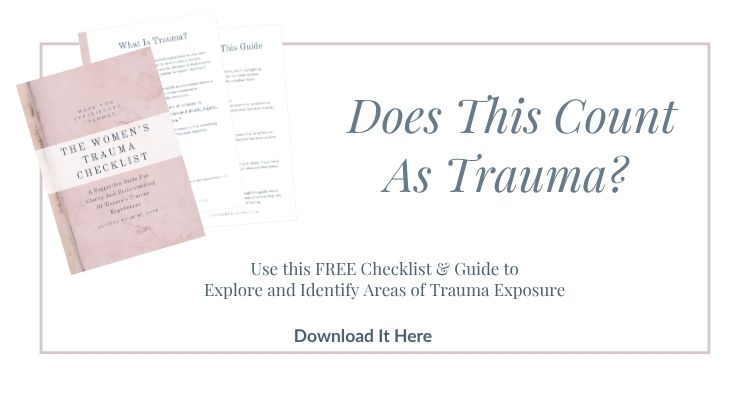
If You're Exploring Your Own Story →
If you’ve been treated for anxiety, depression, or “relationship issues” for years and something still doesn’t fit, the Does This Count As Trauma? checklist is built specifically for women whose PTSD has been missed by the standard screens.
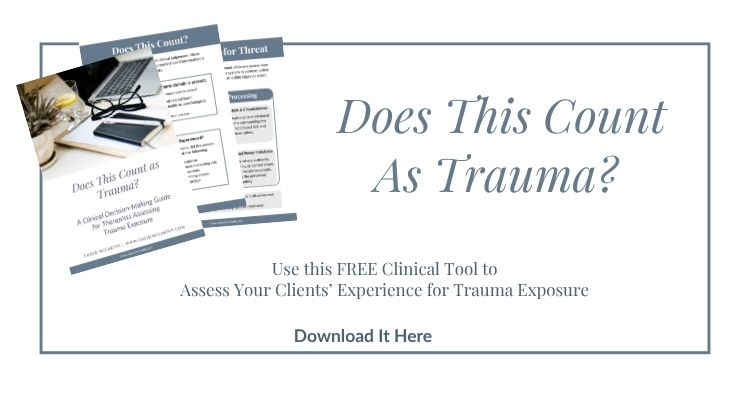
If You're A Clinician Supporting This Work →
If you want a clinical framework for recognizing the female-pattern PTSD presentation the criteria underweight, the Clinical Decision-Making Guide walks through what to assess for in early sessions when the obvious markers aren’t present.
Frequently Asked Questions
Click or tap any question to see the answer. Click or tap again to close.
How Is PTSD Different In Women?
Women’s PTSD often presents with more relational symptoms, including self-blame, trust difficulties, hypervigilance within relationships, perfectionism, anxiety, and people-pleasing behaviors.
Why Do Women Get Misdiagnosed With Anxiety Instead Of PTSD?
Many trauma symptoms in women resemble anxiety, depression, burnout, or relationship difficulties. Additionally, many forms of women’s trauma are underrecognized or minimized, making accurate diagnosis more difficult.
What Does PTSD Look Like In Women?
PTSD in women may include hypervigilance, perfectionism, self-blame, relationship difficulties, emotional distress, avoidance through overfunctioning, and chronic anxiety related to safety and trust.
Are PTSD Criteria Biased Toward Men?
The criteria themselves apply to everyone, but much of the historical research that shaped our understanding of PTSD came from combat populations. As a result, many clinicians and members of the public are more familiar with male-pattern or combat-related presentations than the ways PTSD often manifests in women.
If This Topic Resonates With You, You May Also Find These Articles Helpful

Cassie McCarthy is a trauma therapist who has practiced since 2008, helping women heal from the kind of pain that rarely gets named for what it is. She is rostered in Cognitive Processing Therapy (CPT), is an AASECT Certified Sex Therapist (CST), and practices by telehealth in Massachusetts, Vermont, Virginia, Illinois, and Florida. If you're in one of those states and want to explore working together, you can reach out to schedule a consult.